Interior Design Trends 2026 that Make Your Home Feel Warm and Inviting
Interior Design Trends 2026 that Make Your Home Feel Warm and Inviting
Interior design trends are influencing how we live in our homes moving forward. When talking about trends, I do not mean short-term fashions that come and go quickly. Instead, I refer to broader shifts in materials, finishes, furniture and lighting that make their way into our Australian lives.

To better understand these developments firsthand and bring relevant, meaningful design trends to Australia, I travelled to Milan Design Week again in 2026, one of the world’s most influential design events.
Interior Design Trends: Furniture with Curves and Organic Shapes
One of the strongest interior design trends was the continued move towards organic shapes, organic materials and softer overall interiors.
We have already seen this direction emerging over recent years, but this year it was everywhere. When it comes to furniture, curves continue to dominate. In fact, it was difficult to find perfectly rectangular tables or sharp-edged furniture pieces. Instead, almost every TV unit, dresser or buffet featured curved edges, oval forms and more fluid shapes. Sofas are plush and deeply inviting, with rounded forms and organic silhouettes appearing almost everywhere.
Homewares Follow the Move Towards Softer Forms
This was also visible in homewares, decor and mirrors. The overall feeling was softer, calmer and far more natural, moving away from rigid 90-degree angles towards interiors that feel more relaxed and connected to nature.
Interior Design Trends for Bathrooms
Organic Bathrooms are a Strong Interior Design Trend
The move towards organic shapes and natural materials was particularly visible in bathrooms. Beautifully curved washbasins with sculptural forms appeared throughout many of the Milan Design Week displays. One especially interesting development was the use of timber in bathroom basins. While timber has traditionally been considered unsuitable for wet areas, new treatments and technologies now enable these materials to withstand daily exposure to water while bringing warmth and texture to the bathroom environment.
Wash Basins Take on Soft Pastel Colours
When it comes to bathroom interior design trends, there is a strong move towards coloured ceramics. This applies not only to vanity benchtops but also to wash basins and even toilet pans, which were predominantly white in the past. Soft pastel tones were everywhere, particularly soft pinks, pale blues and greens among other ice cream-inspired colours. That said, dark-coloured ceramics, such as bold navy blue, were also well represented.
Decorative Artwork in Bathroom Ceramics
Another interesting development in bathroom design is the level of customisation now possible with ceramics. Manufacturers can now integrate almost any image or artwork directly into ceramic surfaces, turning washbasins into works of art. It is a direction that adds individuality and personality to the high-end bathroom design and is likely to enter the Australian market soon.
Tiles: The design trend moves towards warmer shades
Tiles are also moving in a much warmer direction. Terracotta shades, reddish undertones and earthy colours appeared throughout many bathroom displays and showroom installations. Texture was another major feature, with tiles becoming far more tactile and expressive rather than perfectly flat and uniform.
Overall, bathrooms felt warmer and more personal, moving away from the very clinical, all-white bathroom aesthetic that had dominated for many years.
Kitchen – islands still strong
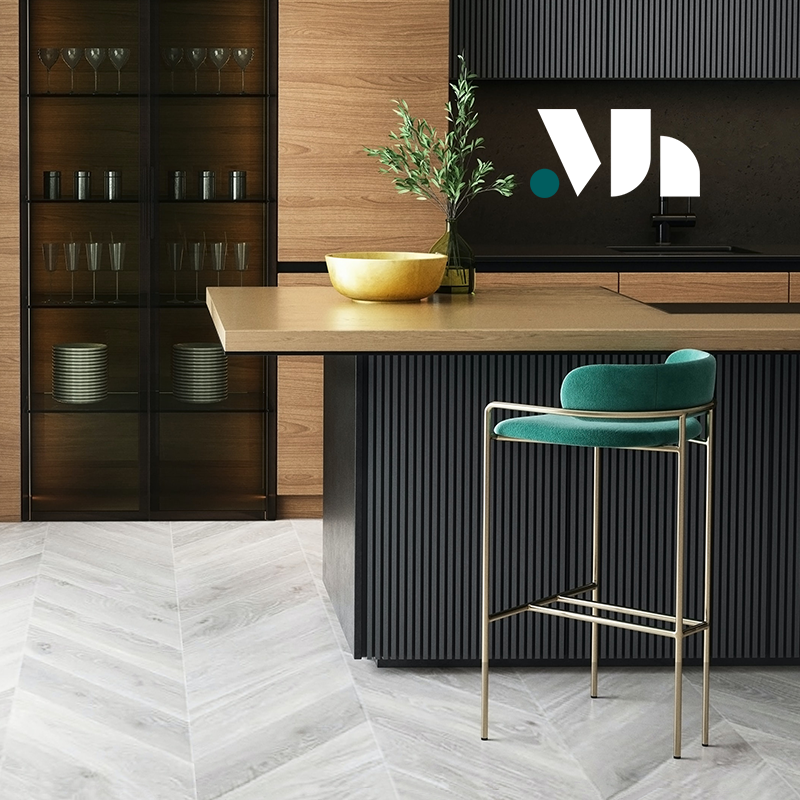
When it comes to interior design trends in the kitchen, the island continues to be the hero of the space. This trend clearly is not disappearing anytime soon. In fact, kitchen islands are becoming even more elaborate and increasingly function as the true hub of the home, a place for cooking, gathering, entertaining and everyday family life.
Kitchen – LED light strips
One newer kitchen trend visible at Milan Design Week was the placement of LED strip lighting directly beneath the kitchen benchtop along the shadow line, rather than on the kickboard, as we have commonly seen in recent years. This creates the effect of the benchtop hovering above the island cabinetry, giving the kitchen a lighter, more refined appearance.
Kitchen – stainless steel
Coming from the commercial kitchen world, stainless steel cabinets and benchtops are making a strong comeback in residential design. This interior design trend is particularly good news for Australians who love outdoor living, as these durable and weather-resistant materials are ideal for alfresco areas. They also create the opportunity to run the kitchen seamlessly from indoors to outdoors using the same finishes and materials, resulting in a far more cohesive indoor-outdoor connection. At the same time, many appliances, such as ovens and microwaves, were offered in matte black finishes, continuing the move towards cleaner, more architectural-looking kitchen design.
Lighting – organic
The move towards organic shapes and materials was equally visible in lighting design. Almost every light fitting featured some form of curvature, with organic silhouettes replacing rigid geometric forms. The lighting itself also felt softer and warmer, creating a calm and harmonious atmosphere within interiors.
Lighting LED strips
At the same time, LED strip lighting continues to appear everywhere, integrated into wardrobes, wine storage and cabinets to make everyday use easier and more intuitive. Beyond their practical function of helping locate clothing, objects, and even the perfect bottle of wine, these concealed light strips also highlight the beauty of materials and textures throughout the curated interiors.
Joinery – clever solutions
The interior design trend for tomorrow’s cabinetry showed a strong focus on functionality alongside aesthetics. There were beautifully designed cabinets that concealed televisions in a stylish, seamless way, alongside movable joinery elements and well-considered storage solutions. The overall direction was towards joinery that is not only visually refined, but also smart, practical and exceptionally well thought through.
Wallpaper
Wallcoverings have already been a strong interior design trend for some time and are already enhancing Australian homes. However, Milan Design Week clearly showed that this development continues to evolve rather than slow down. Wall treatments are becoming increasingly sophisticated and visually striking. The trend is moving towards large-scale murals and highly textured surfaces that enhance a room’s atmosphere and create a sense of warmth and comfort.
At the same time, wallpaper technology is becoming far more advanced. Many wall coverings now combine beautiful finishes with practical performance features, such as acoustic absorption and highly durable surfaces suitable for even high-traffic commercial environments.
Wrap
It was inspiring to see how design continues to combine beauty with practicality, creating spaces that not only look impressive but genuinely improve everyday living. I look forward to thoughtfully incorporating many of these ideas and developments into future Australian homes and renovation projects for my clients.
If you are planning a renovation, a new home or an interior update and would like to explore how these international interior design trends could be incorporated into your own home, you are welcome to reach out to Martina at 0434 498 450 with any questions. Alternatively, send her an email to martina@martinahayes.com.au. Our team is looking forward to hearing from you.
If you would like our team to decorate your home using the latest trends, please contact Martina at 0434 498 450 or email martina@martinahayes.com.au. Alternatively, select a date below to schedule a return call at your preferred time.